
There is no shortage of “witchcraft for self care” books, websites and articles out there, and I’ve read quite a few. In fact, one of my first blog posts was about my adventures performing a self-love spell. Many of these spells, charms and activities involve bath bombs, massage oils, relaxation techniques and other ways to value your body and yourself. And that’s wonderful.
But to be honest, while these spells and charms were a fun foray into a new world, they felt more like surface-level pretending vs. actual magic, which, for me, is the exploration of my personal power. One of my more recent posts was about Tarot for Self-Care and Personal Growth, based on the book Tarot for Change — Using the Cards for Self-Care, Acceptance and Growth by Jessica Dore, I’ve also been listening some older episodes of the podcast The Tarot Diagnosis, hosted by two John Hopkins-trained psychotherapists and tarot enthusiasts, which I’m also finding fascinating.
In a June 2021 episode of that podcast, they talked about some of the myths of self-care. I found myself in wild agreement with the premise, which was that real self care is not simply about rest and self-nurturing. True self care is about doing what it takes to ensure that your needs are met. Sometimes that is about rest and self-nurturing. But a lot of the time it’s about doing things that aren’t easy or necessarily pleasant. Like saying no, or setting boundaries and expectations with others (or yourself). Like asking for help. Or not eating that piece of chocolate cake. Or getting up 30 minutes early to do a workout, when that’s the last thing you want to do.
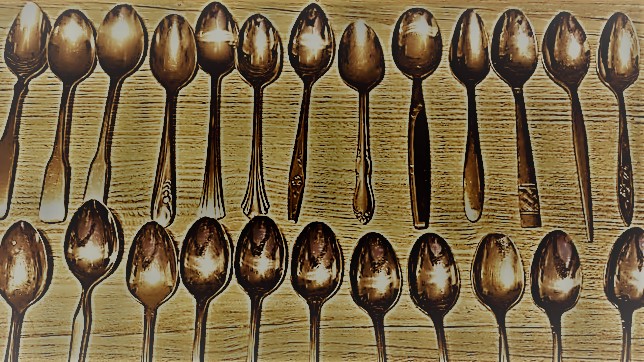
In the podcast, hosts Luna Hammond and Shannon Knight talked about spoon theory. This is most often used in the context of chronic illness as a metaphor for the amount of energy we have available for our necessary activities and tasks. You start the day with a handful of spoons, and each task uses a spoon. So you need to plan your days and actions so you don’t run out of spoons.
The goal of spoon theory is to responsible for where and how to spend our energy — AND to be aware of the consequences of our choices so we don’t wind up in situations where we don’t have enough spoons to dig ourselves out. Because then other people need to spend their energy accommodating us – which is OK when it happens occasionally, but not when it becomes a lifestyle.
I’d love to see the whole “self care” trend become more than just yoga and long baths. Let’s use our power to cut through the bullshit. Let’s hear more about challenging ourselves to be honest about what we really value, instead of what we think everyone else wants us to value. Let’s see more articles on how to determine what we really need vs. what we think we need. Let’s talk about taking responsibility for doing what it takes to manifest the life we want.
That’s what taking care of yourself is all about.
⋆˖⁺‧₊☽◯☾₊‧⁺˖⋆
Did you enjoy this post? Please like, comment or share below. And check out other posts on my blog, “The Good Witch of the North Country.”
 Communicating Authentically
Leave a comment